Natalie - Subject Expert

25 Oct 11:57

whiteboard-39.jpg

Yosra Abdallatif, yes exactly! The carbocation still has three bonds, 2 bonds to carbon and 1 bond to hydrogen which is not shown in the 'skeletal form' as a convention. Below I've drawn out all the 'implied' hydrogens on the molecule and highlighted the hydrogen that migrates in this problem.

Hi Johnathan, the name you've written out with the 'di' prefix is absolutely correct. To be even more precise, you can include the position of the alcohol by naming the compound 6-chloro-2,2-dimethylcyclohexan-1-ol (note, if the alcohol has no defined position, it is assumed to be at carbon 1). Thanks for asking for clarification!

Reply
whiteboard-36-2.jpg

Hi Hussein, I believe your answer is correct. Take a look at the video about at 12:43min, your answer perfectly matches the answer that Melissa works through. Please check with your professor if the answer key you are looking at is correct.

16 Oct 14:29

whiteboard-36-v.jpg

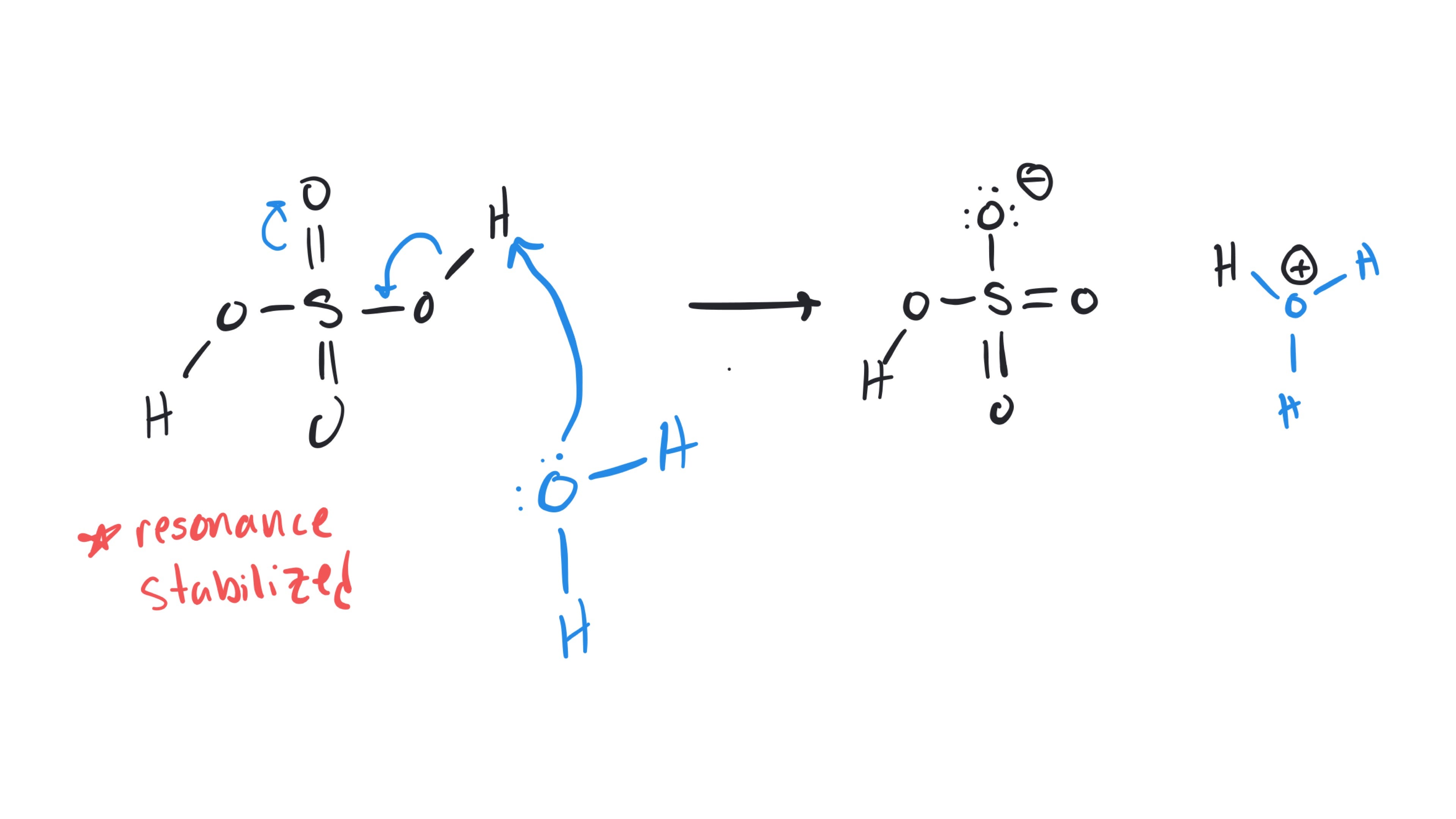
Hi Johnathan, great question! This has to do with the pKa difference between sulfuric acid (H2SO4) and water. Concentrated sulfuric acid is an aqueous acid (contains some water) and H2SO4 is a much stronger acid than water. This means that sulfuric acid can easily give up a proton and transfer it to water (acting as a weak base) to make H3O+.

Hi Kay, if the alcohol is at the end of the chain, sometimes the number is left out. When there is no number for a compound like hexanol, hexene, ect. you assume the alcohol or alkene is at position one. For more clarity, you could name this compound 3-isopropyl-2-methoxyhexan-1-ol where the final -1- before the -ol denotes where the alcohol is located.

For IUPAC naming, isopropyl is an acceptable substituent name, but of course listen to what your specific instructor is looking for. The name without using 'isopropyl' would be: 3-(1-methylethyl)-2-methoxyhexan-1-ol.

capture_1.JPG

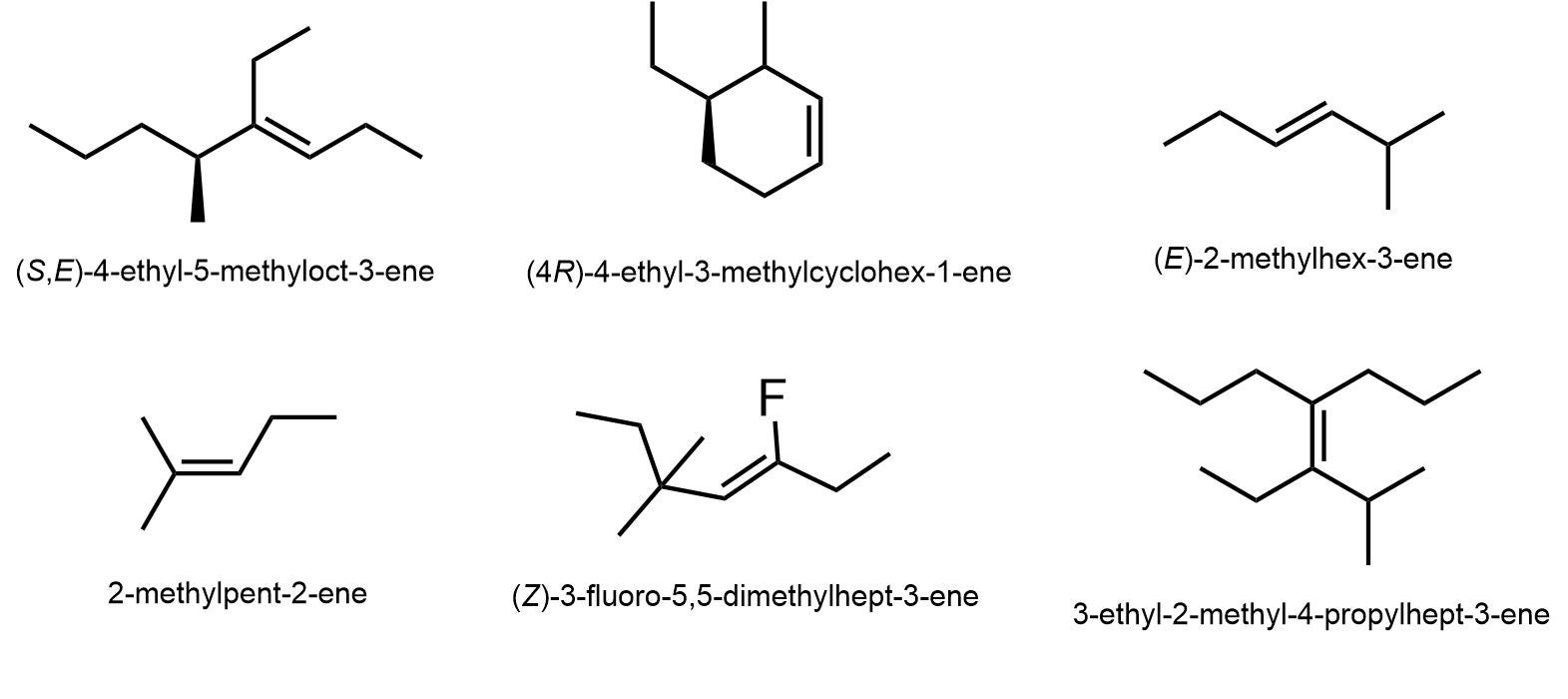
Hi Iibni, here are the IUPAC names for the compounds in this video. Happy practicing!

Reply
whiteboard-36.jpg

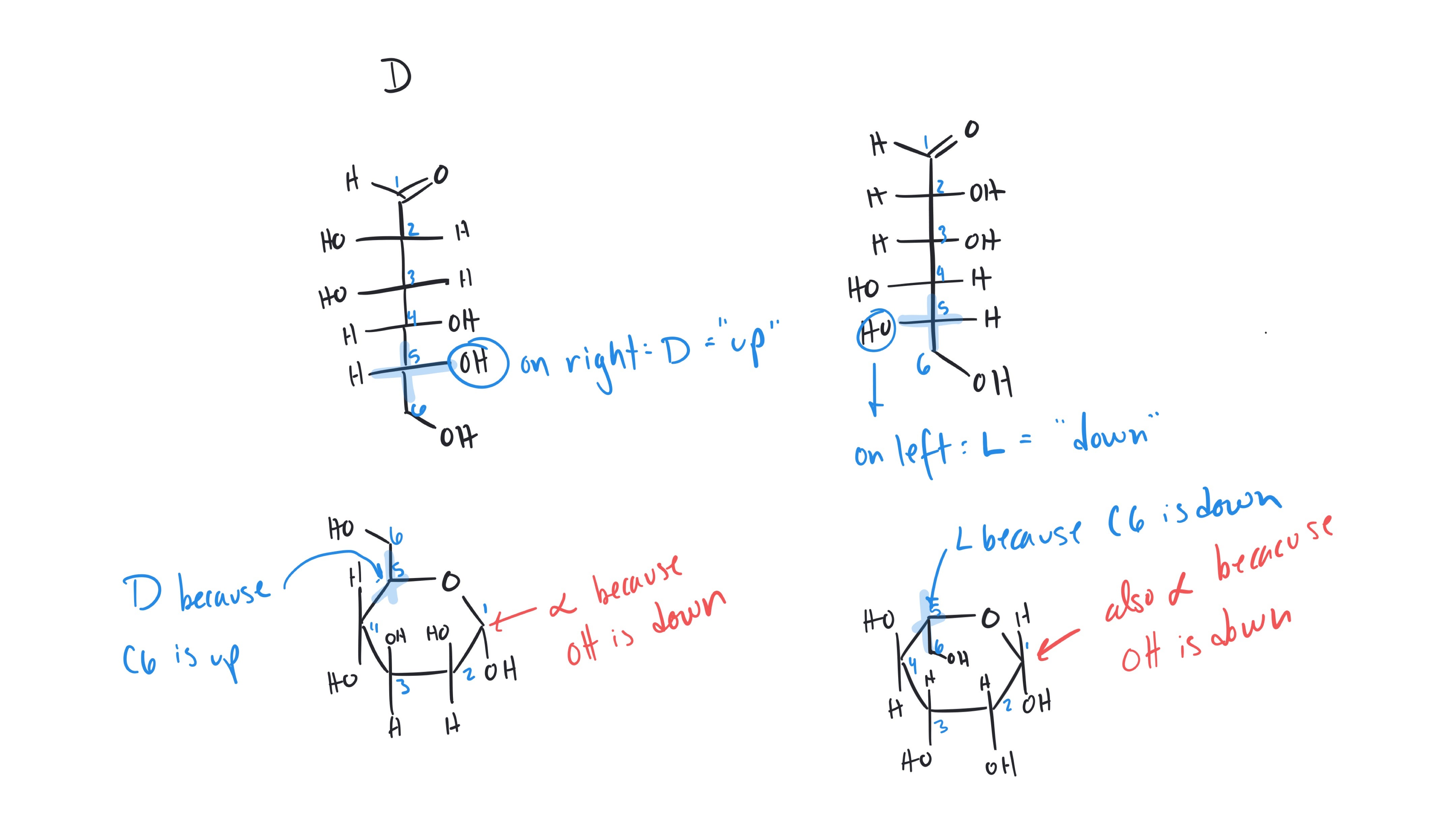
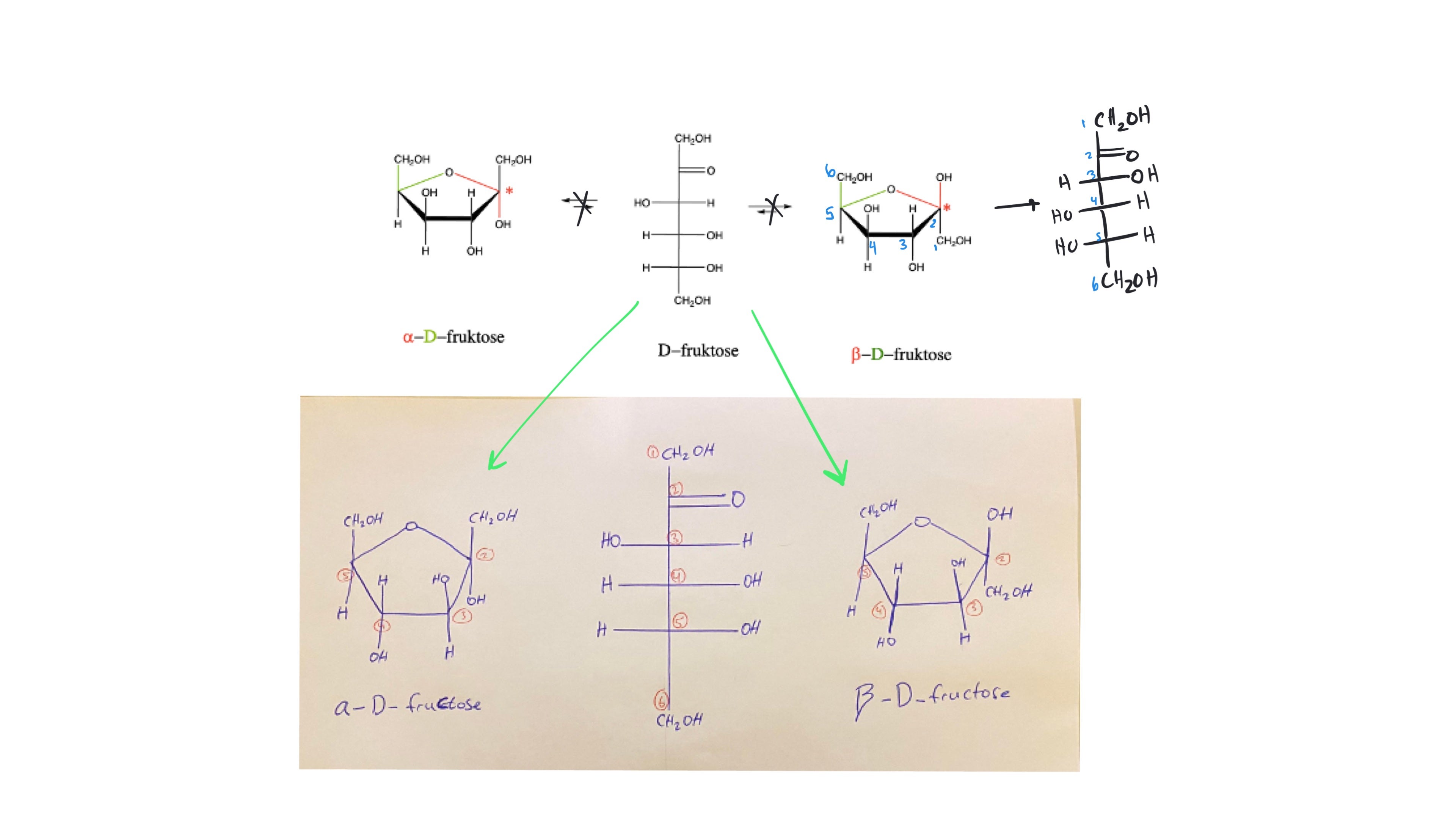
Hi Hussein, thanks for your question - these can be confusing depending on the method you've learned and how you number the carbons. I can't comment on a different video you saw, but notice how the carbons are numbered differently from your image above to Melissa's video at 1:07.

When thinking about the C6 position, 'up' and 'down' describe the chirality at carbon 5, which has 4 different substituents attached to it. If the C6 was "always up", that would mean that carbon 5  always has the same chirality - which we know is false.

Below I've attached a little overview of the video above, surveying the important carbons. My advice to you would be to decide on a method with specific steps like what Melissa uses in this tutorial, and stick with that method every time you do these types of problems. If you are always changing your numbering scheme, these problems get a lot harder!

Reply

Hi Anezka, thanks for your question. The compound is named 2,2-dimethyl to show that there are two different groups on carbon 2, and each is a methyl (1 carbon) group. An ethyl group would be a single substituent with two carbons in the chain. 

Nope! Any substituent can be described by its position on the ring (ortho, meta, or para). Note, hydrogen is usually not described this way, because it is implied when we draw out the line structure of a molecule.

Reply

09 Oct 14:50

whiteboard-30-1.jpg

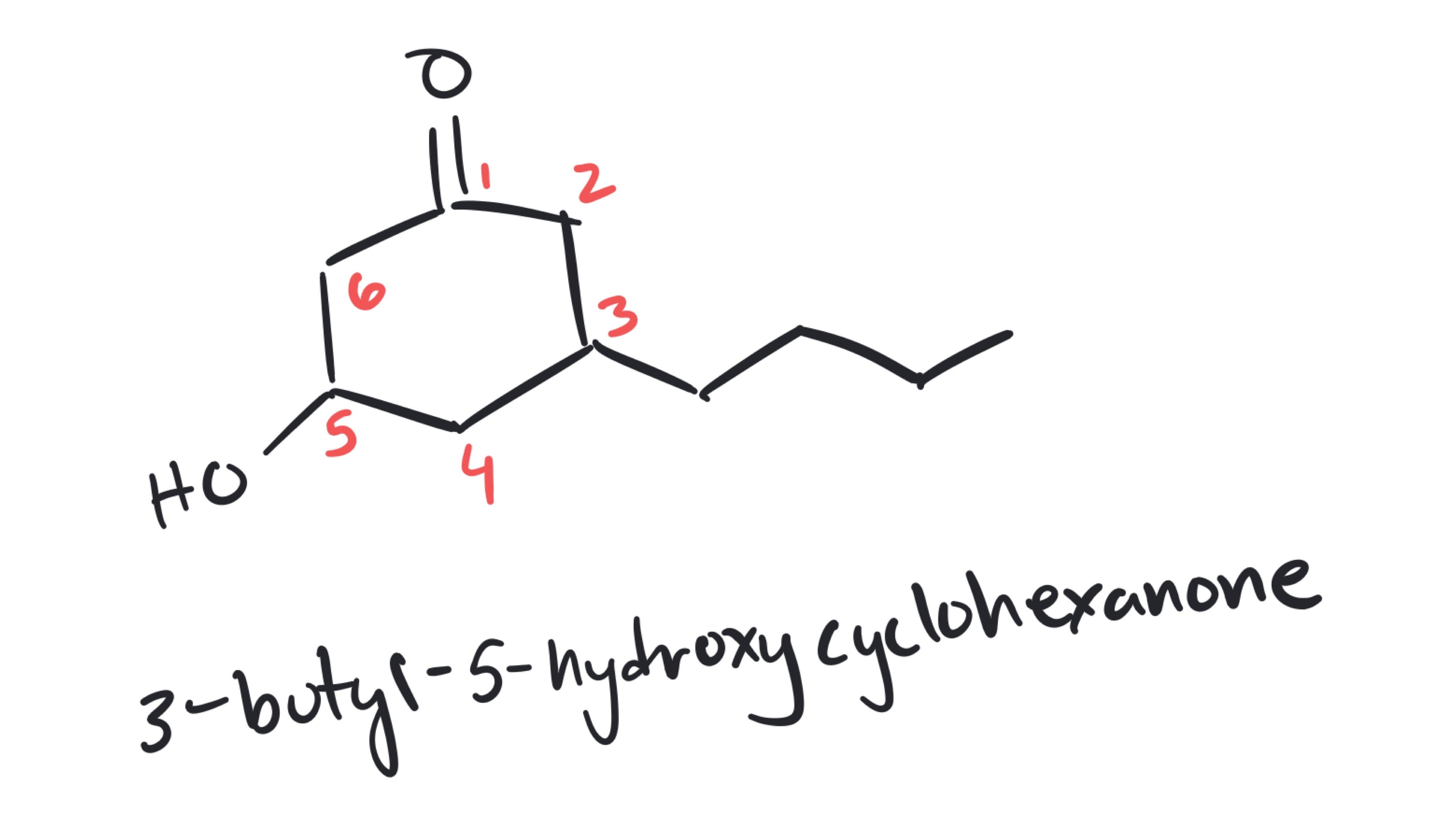
No, 3-butyl would put the butyl group on the incorrect carbon.